
Childhood Losses and the Meaning of Growing Up
Norwegian WoodThis flow connects Naoko’s sister’s death, her bond with Kizuki, and her belief that growing up brings an unpaid cost.
increasing Bearing strength in each event
 decreasing
Bearing strength in each eventdecreasingThe Ideal Older Sister
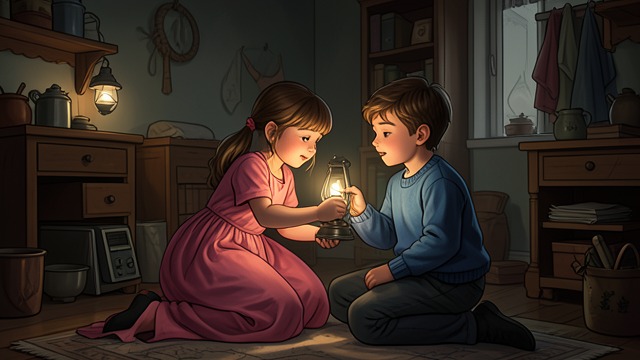
Admiration and Comparison
A successful sibling
Naoko’s older sister excels at school, sports, and social life while remaining kind to her younger sister. Naoko responds by becoming the “sweet little girl.”
A role formed early
The sisters’ closeness gives Naoko affection but also establishes a contrast she cannot easily escape. Her identity develops around being cherished rather than competing.
The Sister’s Suicide
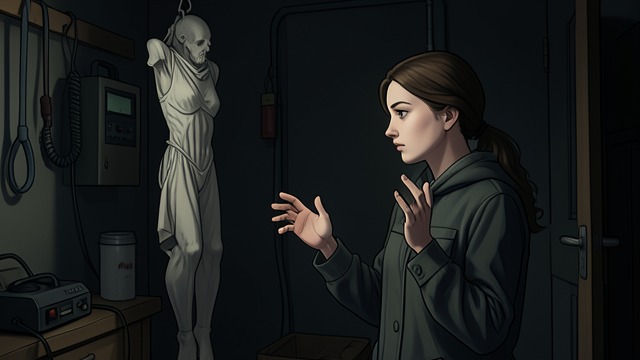
A Discovery That Stops Speech
The silent room
Naoko finds her sister hanging in the darkened bedroom. She remembers the details but cannot make her body respond to her intention to call for help.
A lasting shock
For days afterward, she cannot speak. The trauma becomes one of the deep roots of her later distress and her fear of being drawn toward death.
A Pattern of Withdrawal
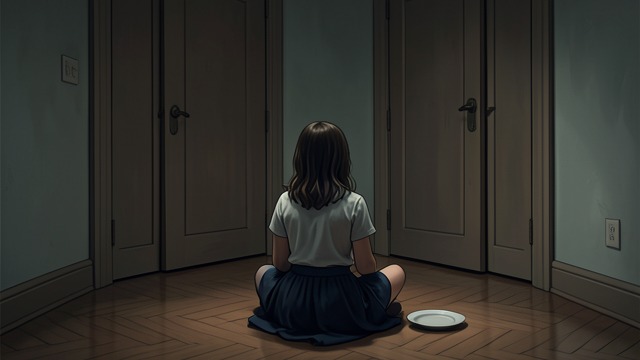
Distress Hidden by Competence
Episodes at home
Naoko recalls her sister periodically shutting herself in her room, avoiding school, and barely eating before returning to ordinary life. The family does not find lasting help.
What was not understood
The pattern suggests that visible success can coexist with serious suffering. In retrospect, Naoko sees warning signs her family could not interpret.
The Childhood Bond with Kizuki
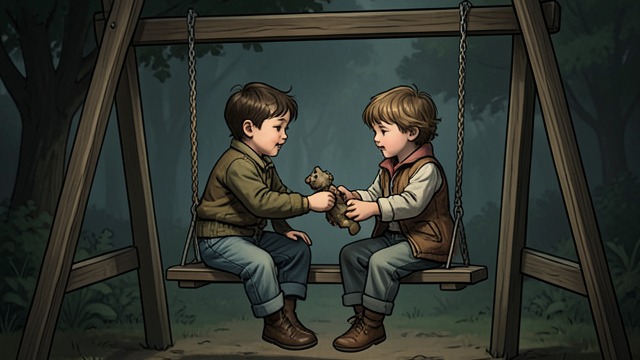
A Relationship Without Distance
Growing up together
Naoko and Kizuki share childhood routines, confidences, and physical intimacy. Their bond feels natural enough that neither thinks of it as a series of choices.
A world kept small
Naoko later describes their relationship as a private circle with little pressure from the outside. Watanabe is their first important link to people beyond it.
The Bills Come Due
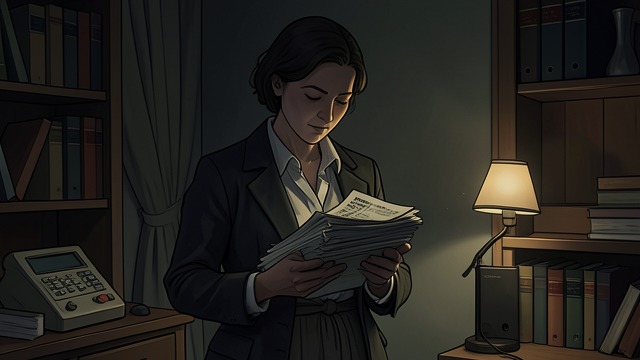
Growing Up as a Debt
Naoko’s explanation
Naoko says she and Kizuki avoided the ordinary pain of growing up, so the cost came due later. She links Kizuki’s death and her own illness to their difficulty entering society.
A metaphor, not a solution
The image of unpaid bills gives meaning to their past but does not explain or justify suicide. It shows Naoko struggling to narrate pain that remains larger than her account.
Naoko’s early childhood
November, when Naoko is in her first year of secondary school
The years after the sister’s death
From early childhood through adolescence
During Naoko and Watanabe’s walk at Ami Hostel
